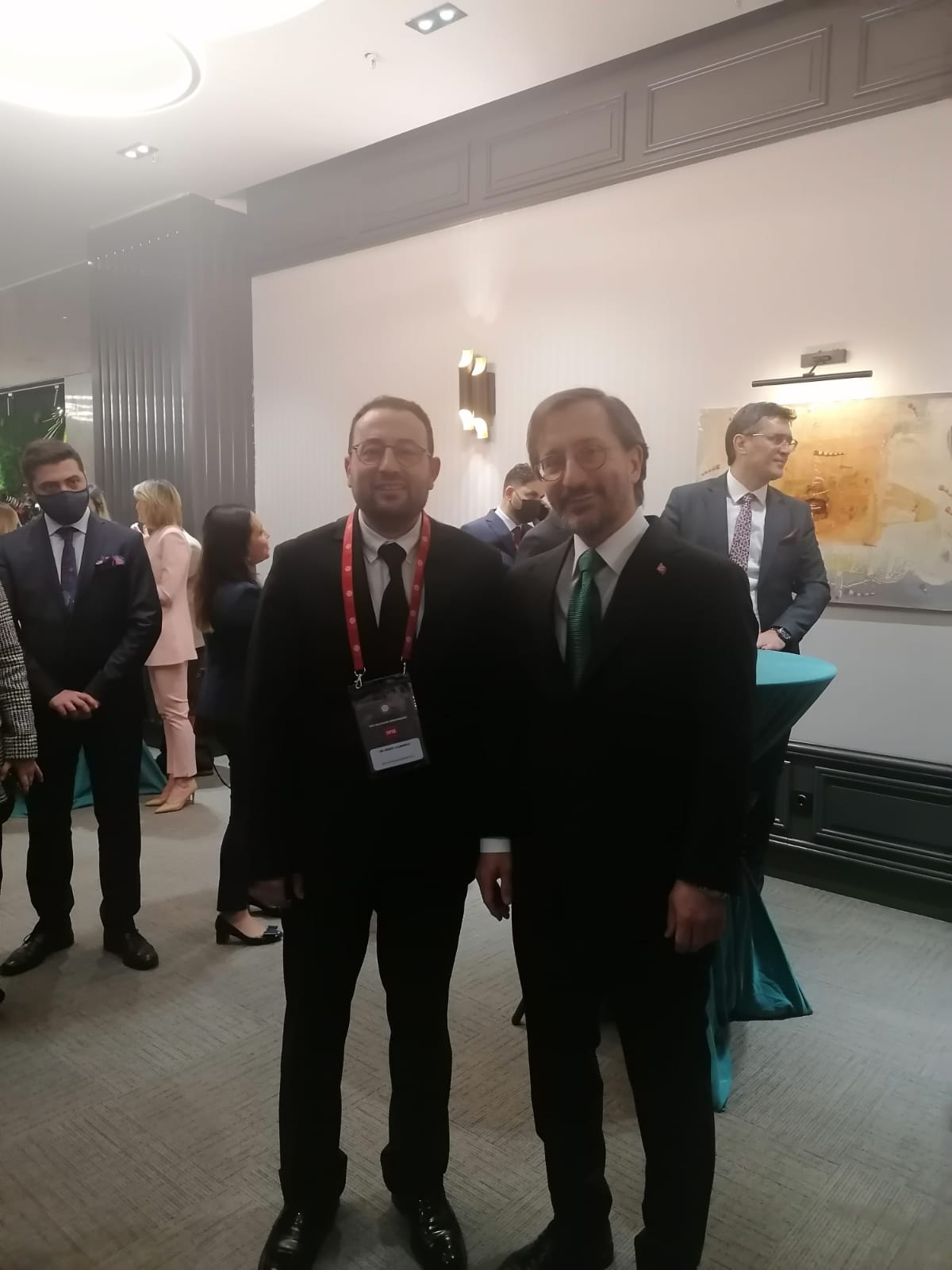
MAUN Staff Attends “International Conference on the Events of 1915 from the Perspective of Law and History”
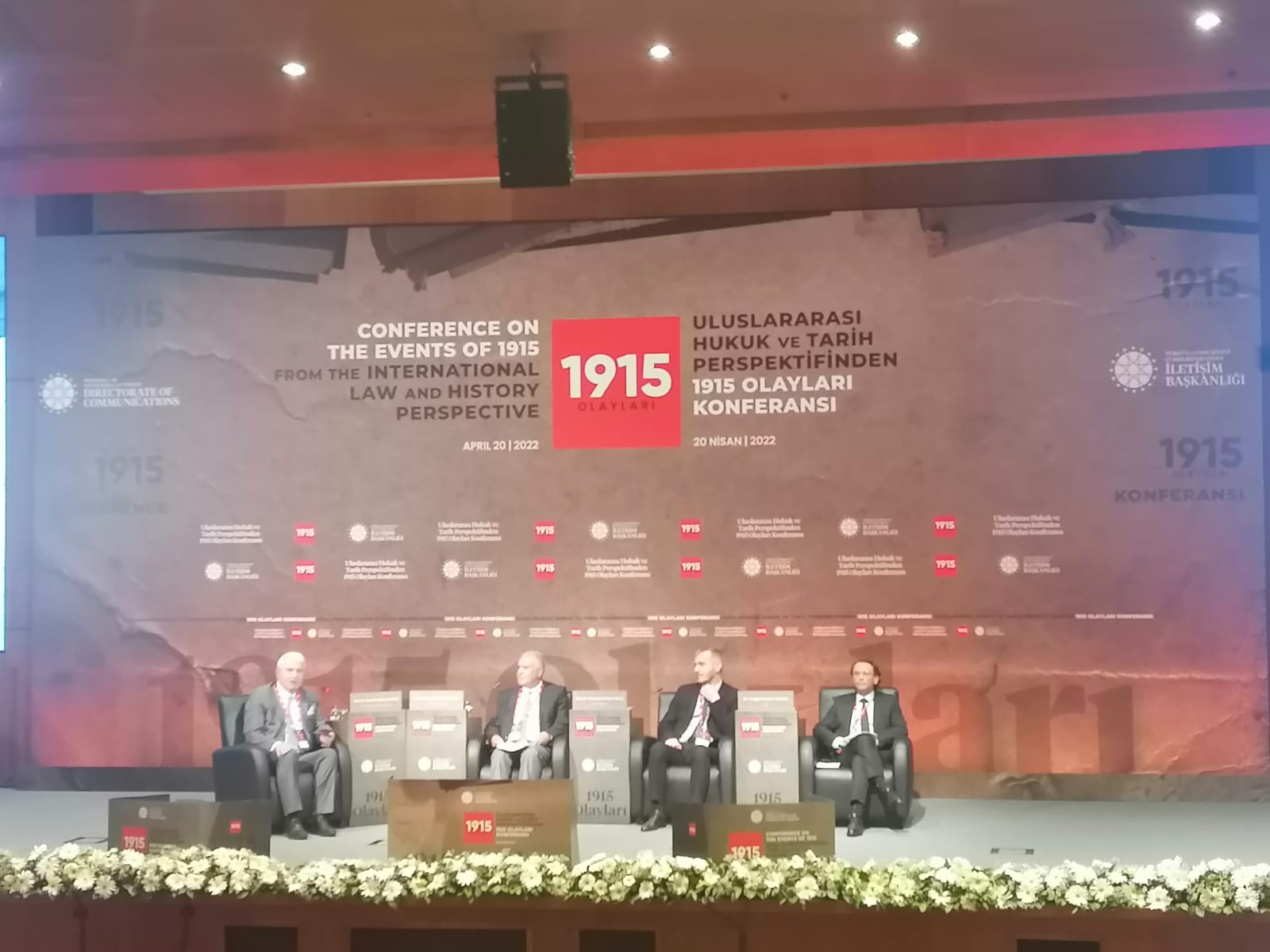
The International Conference on the Events of 1915 was organized by the Directorate of Communications of the Turkish Presidency on 20 April 2022, and MAUN was represented in the conference by Prof. Dr. Sabit Duman, Head of the Department of History, and Asst. Prof. Dr. Murat Alanoğlu, Director of the Research Centre on Seljuk and Malazgirt (SEMAM).
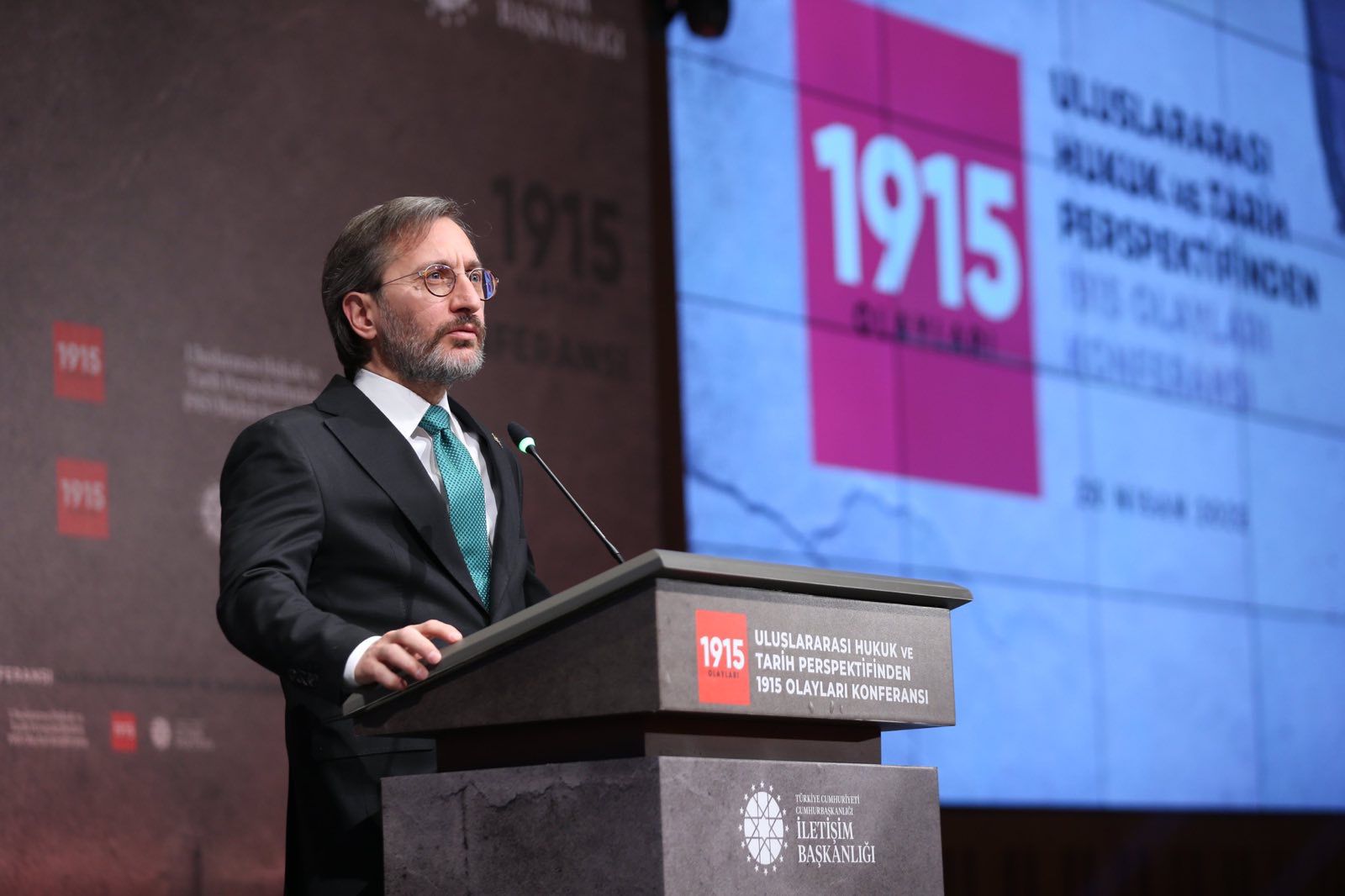
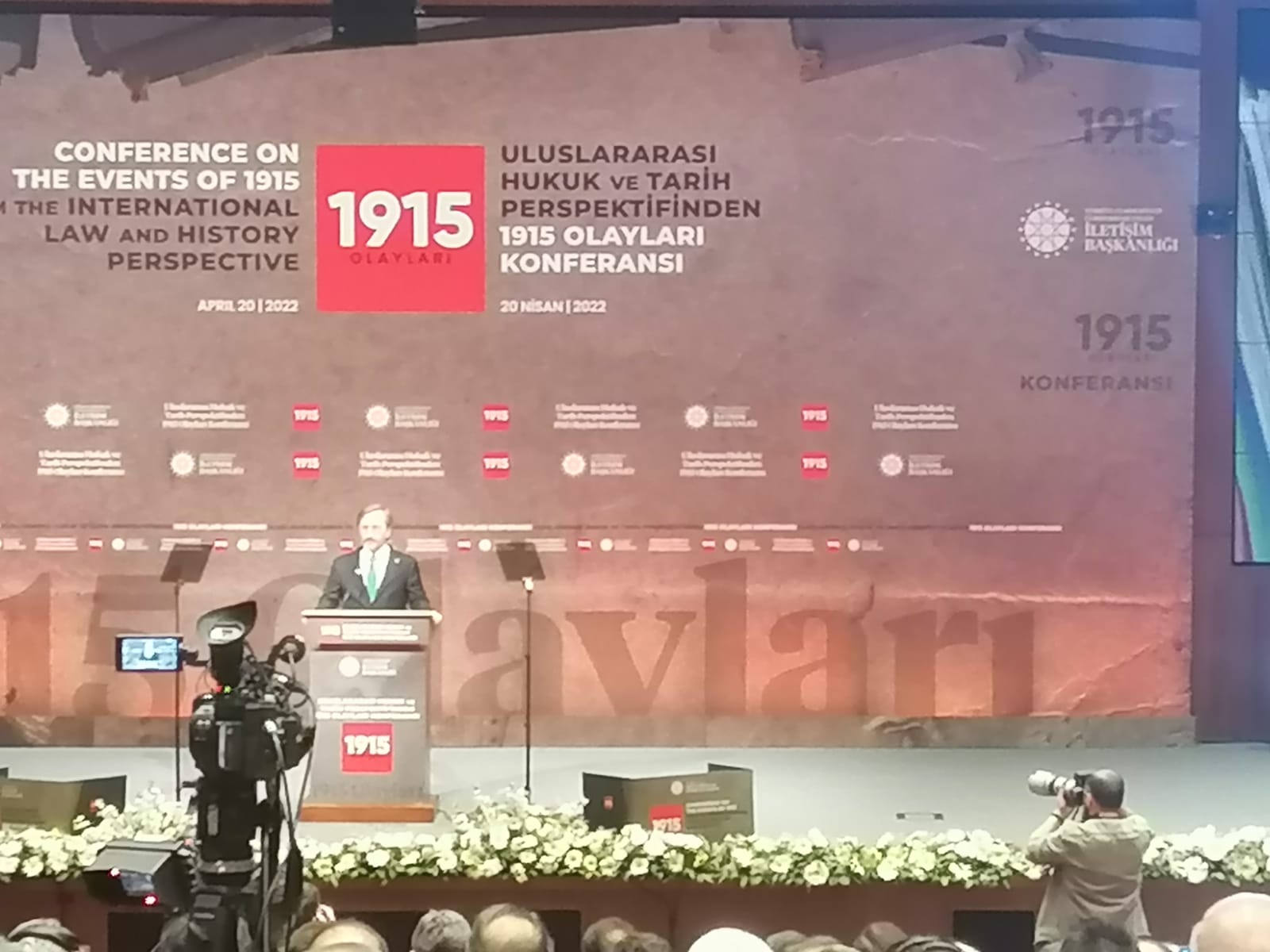
The opening speech was delivered by Prof. Dr. Birol Çetin, the President of the Turkish Historical Society, Timsal Karabekir, Kazım Karabekir Pasha's daughter, and Fahrettin Altun, the Director of Communications of the Turkish Presidency.
In his speech, Altun said, "All Ottoman citizens, including Turks, Kurds, Arabs and Armenians, deeply experienced the hardship of World War I. The Ottoman Empire fought hard in fronts such as Çanakkale, Caucasus, Palestine, and Hejaz and lost hundreds of thousands of young people. It also faced the massacres committed inside the country by separatist gangs provoked by the occupying forces. This worsened the conditions of the Muslim population at the time. It is a historical record that Armenian gangs, who took advantage of the war conditions, massacred hundreds of thousands of civilians in Anatolia. Thousands of Ottoman citizens had to leave their homeland in order to escape the massacres of the Armenian gangs. In 1915, the 'Relocation and Resettlement Law' was enacted by the Ottoman Empire in order to prevent the brutality that became unbearable. The Armenian population in the regions where the attacks of these gangs intensified was temporarily shifted to the southern regions within the Ottoman borders, but never deported, by ensuring their safety of life and property. Nothing like a genocide ever happened." Then, Altun concluded his speech with the following words: "As the Republic of Turkey has no worries about its history, it also has no fear of a common future with its neighbors. Contrary to the third parties who diverted the events of 1915 for the sake of their political agenda, we maintain our intention to solve the problems mutually with our neighbors and to ensure peace and stability in the region.”
Academicians from the departments of history and international relations as well as other departments from a number of universities attended the conference, which took place in three separate sessions following the opening session. The sessions of the conference were respectively as follows: “Instrumentalization of History with Political Motives: Emergence and Internationalization of Allegations Regarding the Events of 1915”, “Evaluation of the Process of the Armenian Relocation and Resettlement Law Enacted” and “The Events of 1915 in the Context of International Law”.